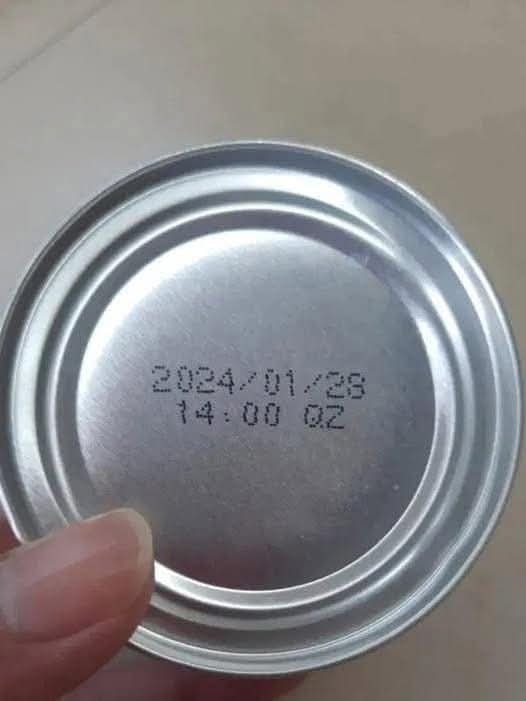
One reason expiration dates feel so confusing is that they aren’t standardized across the food industry. Brands use labels like “Best If Used By,” “Use By,” and “Sell By,” but these terms don’t all mean the same thing. “Best If Used By” typically describes peak quality—meaning the food may taste best before that date but is often still safe afterward. “Use By” also indicates top quality, not an automatic safety cutoff, for most products. And “Sell By” isn’t meant for consumers at all; it simply guides stores on how long to keep items on display. Because these terms sound more serious than they are, many shoppers understandably assume they’re strict rules. In reality, most food remains perfectly fine when stored properly, even if the date has already passed.
Understanding this matters because food waste has become a major issue. In the United States, an estimated 30–40% of food goes uneaten every year, often ending up in landfills. Much of this waste comes from confusion over date labels, leading people to discard items that are still usable. This isn’t just tough on household budgets—it also impacts the environment. Producing food requires water, energy, and transportation, all of which go to waste when food is thrown away unnecessarily. Thankfully, there are simple ways to cut down on this waste. Paying attention to proper storage, using airtight containers for dry goods, keeping refrigerators at safe temperatures, and freezing items we won’t use soon can all make a noticeable difference. Continue reading…
