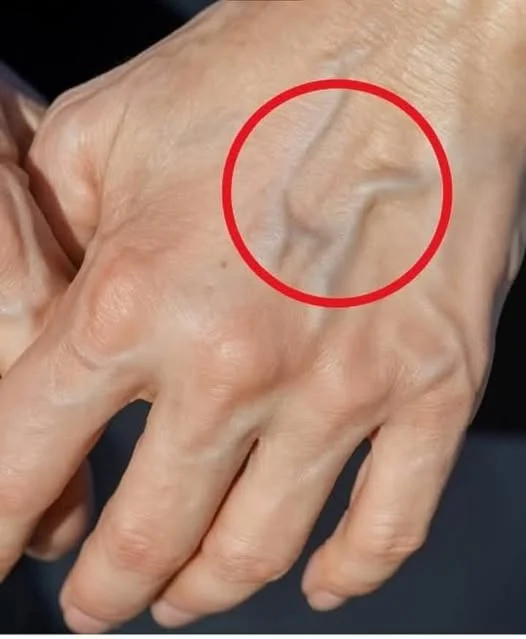
For many individuals, lifestyle changes and self-care measures can significantly im prove vein appearance and reduce discomfort. The Mayo Clinic and CDC recommend the following strategies:
-
Exercise Regularly: Activities such as walking, cycling, or swimming help improve circulation and strengthen leg muscles, which assist in moving blood upward.
-
Maintain a Healthy Weight: Managing weight reduces pressure on the legs and supports healthy blood flow.
-
Wear Compression Stockings: These specially designed stockings apply gentle pressure to the legs, helping veins and leg muscles move blood more efficiently.
-
Avoid Long Periods of Standing or Sitting: If your job involves sitting or standing for long hours, take breaks to move or stretch your legs regularly.
-
Adopt a Balanced Diet: Eating a diet rich in fiber, fruits, and vegetables supports vascular health and may help prevent constipation, which can indirectly affect venous pressure.
These steps can help relieve mild symptoms and slow the progression of vein problems.
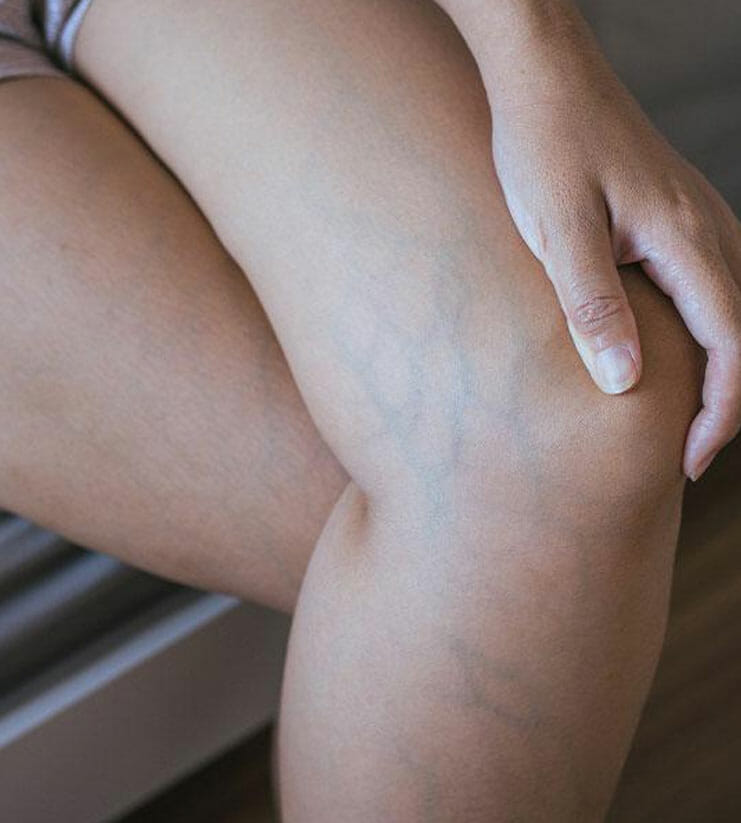
Medical Treatments for Varicose and Spider Veins
If lifestyle changes are not enough or if veins are causing discomfort, several medical treatments are available. According to Johns Hopkins Medicine, treatment depends on the severity of the condition and may include:
-
Sclerotherapy: A solution is injected into the vein, causing it to close and eventually fade. This is commonly used for spider veins and small varicose veins.
