
Building the Stax Sound
In the early 1960s, Cropper joined Satellite Records, which would soon evolve into Stax Records — the epicenter of Memphis soul.
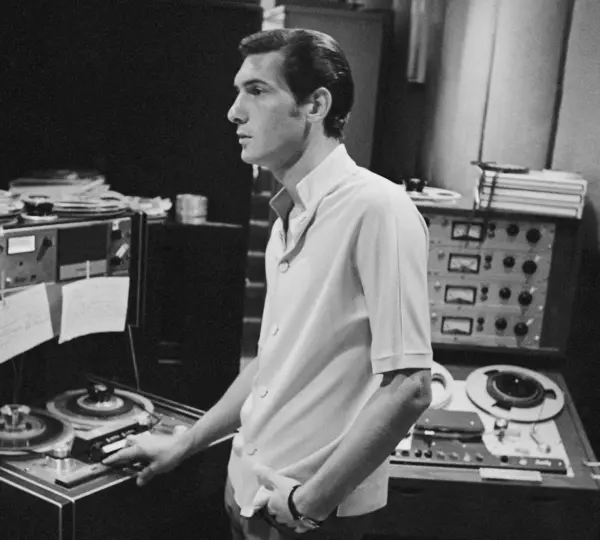
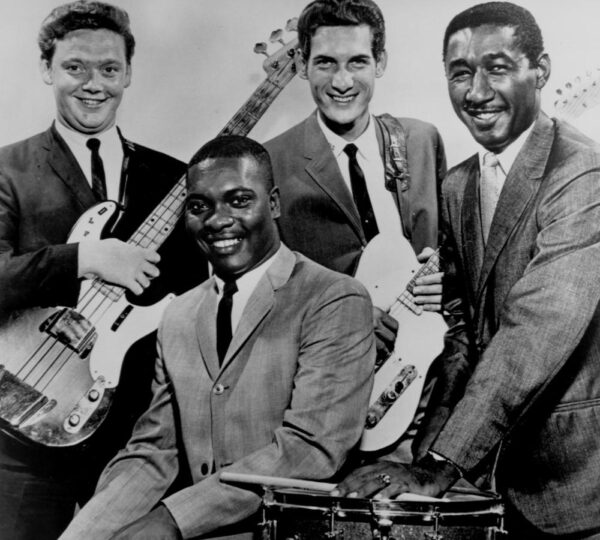
Together, they created the backbone of the Stax sound: crisp, syncopated rhythms, emotive harmonies, and a musical chemistry that transcended the racial divisions of a segregated America.
Cropper’s contributions were pivotal.
He co-wrote some of the most enduring soul classics, and his guitar lines provided rhythm, nuance, and subtle emotional guidance that shaped the songs’ very identity.
Cropper’s understated elegance allowed vocalists such as Otis Redding, Sam & Dave, Wilson Pickett, and Carla Thomas to shine, while his riffs and fills became the heartbeat of Stax’s most iconic recordings.
Iconic Songs and Unforgettable Riffs
Cropper’s guitar work remains woven into the fabric of modern music, his riffs instantly recognizable:
-
Green Onions (1962): The six-note instrumental riff that propelled Booker T. & the M.G.’s to international fame. Its cool, minimalist swagger became a signature sound of Memphis soul.
-
(Sittin’ On) The Dock of the Bay (1967): Co-written with Otis Redding shortly before Redding’s tragic death, the track’s haunting, soulful guitar lines underscore its reflective lyrics and timeless appeal.
-
In the Midnight Hour (1965): His rhythmic precision and tasteful fills helped elevate Wilson Pickett’s recording into a soul classic.
Across these and countless other songs, Cropper’s guitar never competed for attention.
It served the music, offering restraint, depth, and a subtle power that remains a model for musicians today.

Collaboration and Integration: Music Beyond Boundaries
Steve Cropper’s career was defined not only by his talent but also by his character.
At a time when racial segregation permeated American society, Cropper worked closely with Black musicians, helping create a racially integrated band that became the bedrock of soul music.
His humility, respect, and musical sensitivity earned him the trust of legendary artists and ensured that the music spoke first, and ego second.
Cropper’s influence extended beyond individual recordings, establishing a blueprint for collaborative musicianship — one in which listening, subtlety, and mutual respect were paramount.
The Blues Brothers and Popular Recognition
In the late 1970s, Cropper’s career reached another high point when he became a founding member of The Blues Brothers alongside John Belushi and Dan Aykroyd.
This unique project introduced classic soul and blues to a new generation, blending music, comedy, and film.
Cropper’s authentic guitar playing provided a bridge between the legendary recordings of Stax and the broader pop culture landscape, helping younger audiences discover the timeless magic of soul music.
Later Career, Longevity, and Continued Influence
Even as decades passed, Cropper remained active, performing, recording, and producing music with unwavering dedication.
His final solo album, Friendlytown (2024), received Grammy recognition, a testament to his enduring artistry and relevance even in his 80s.
Honors came throughout his lifetime, including induction into the Rock & Roll Hall of Fame (1992) with Booker T. & the M.G.’s and later into the Songwriters Hall of Fame.
These accolades recognized not only his exceptional talent but also the profound impact his work had on generations of musicians across genres.
A Humble Genius
Continue reading…
