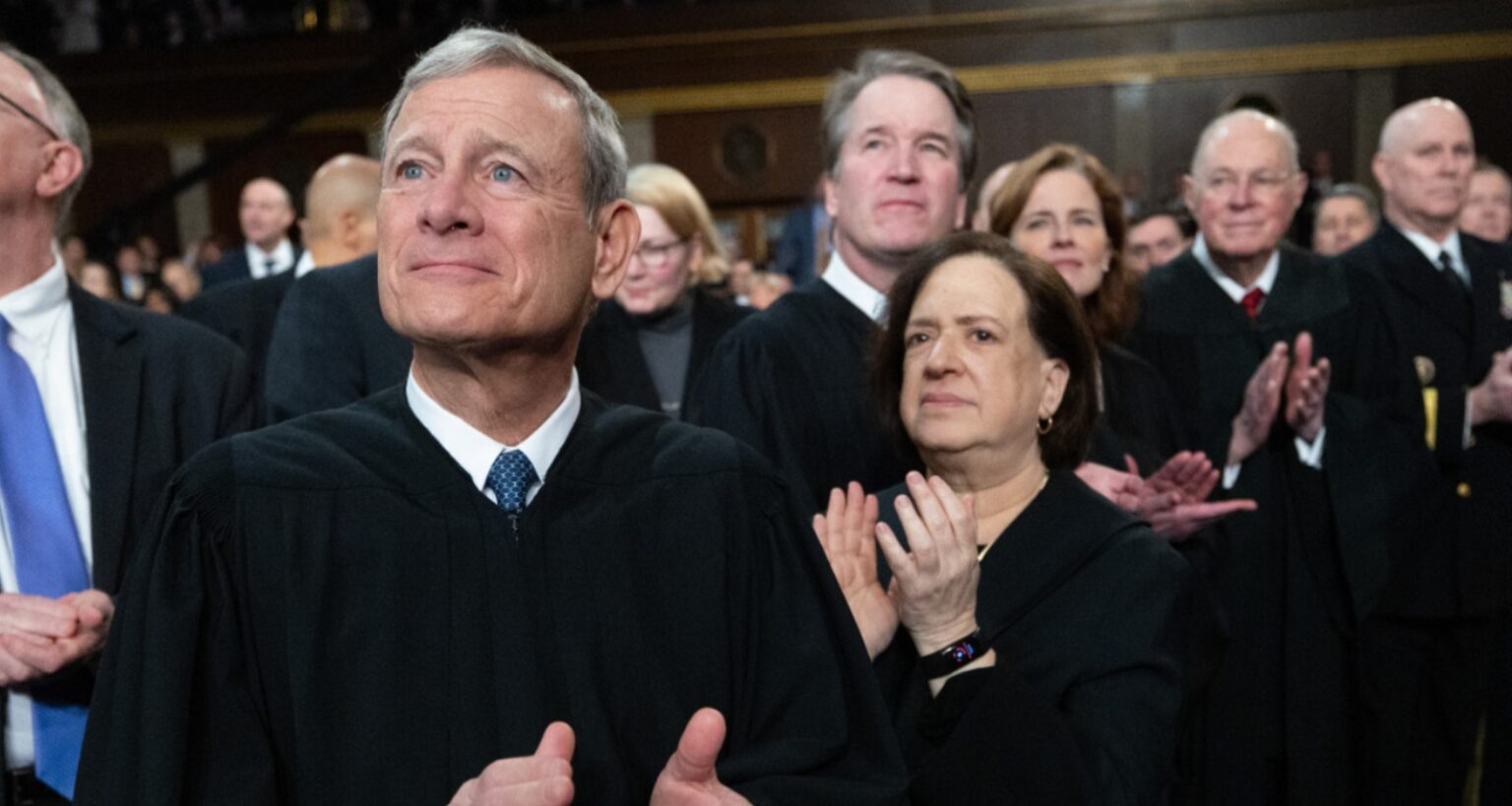
The statement underscored a growing consensus among the Court’s conservative justices that the precedent conflicts with Article II of the Constitution, which vests “all executive power” in the president.
For decades, Congress has used the 1935 ruling to shield the heads of agencies from removal, effectively granting them independence from the executive branch.
Legal scholars have described the decision as a cornerstone of the administrative state, one that allowed Congress to construct agencies that blend legislative, judicial, and executive powers.
But modern doctrine has largely abandoned the “quasi-legislative” and “quasi-judicial” labels used to justify the arrangement.
