And in Maryland, Governor Wes Moore (a Democrat) has pushed for a fresh congressional map in reaction to other states’ mid‑cycle redraws, while some Democratic lawmakers express concern that new maps could backfire and cost seats if not carefully crafted.
The Broader National Implications
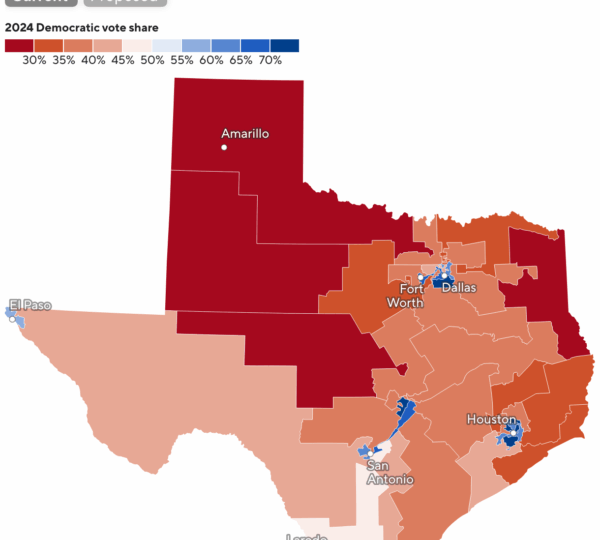
More than a third of congressional districts nationwide could see new boundaries applied for the 2026 midterms, threatening to confuse voters and upend long‑standing electoral expectations.
This environment has produced legal battles, grassroots organizing, and intense public debate. Lawsuits have been filed in multiple states challenging maps as unconstitutional or discriminatory.
Opponents argue that mid‑decade redistricting violates principles of equal representation and entrenches political outcomes before candidates have to file for election. Some of these challenges are headed toward federal court and, in some instances, the Supreme Court.
Public opinion polls show that a majority of Americans, including Republicans, Democrats, and independents, oppose mid‑decade redistricting and favor independent commissions over legislative control of maps.
This sentiment suggests that while political elites may see redistricting as a strategic lever of power, many voters view these efforts as undermining democratic fairness.
Redistricting and Representation
At its heart, the redistricting debate raises broader questions about how democracy functions in the United States. Voters are often told they choose their representatives; yet the ability of parties to shape the very districts in which those choices are made means power also resides with those who draw the lines.
When boundaries are engineered to favor one party’s candidates, critics argue, voters lose the ability to influence outcomes meaningfully — and representation becomes less about reflecting the electorate and more about structuring outcomes in advance.
This weakens incentives for incumbents to appeal to a broad range of voters and can contribute to legislative gridlock, as members face more pressure from primary challenges than from general elections. Continue reading…
