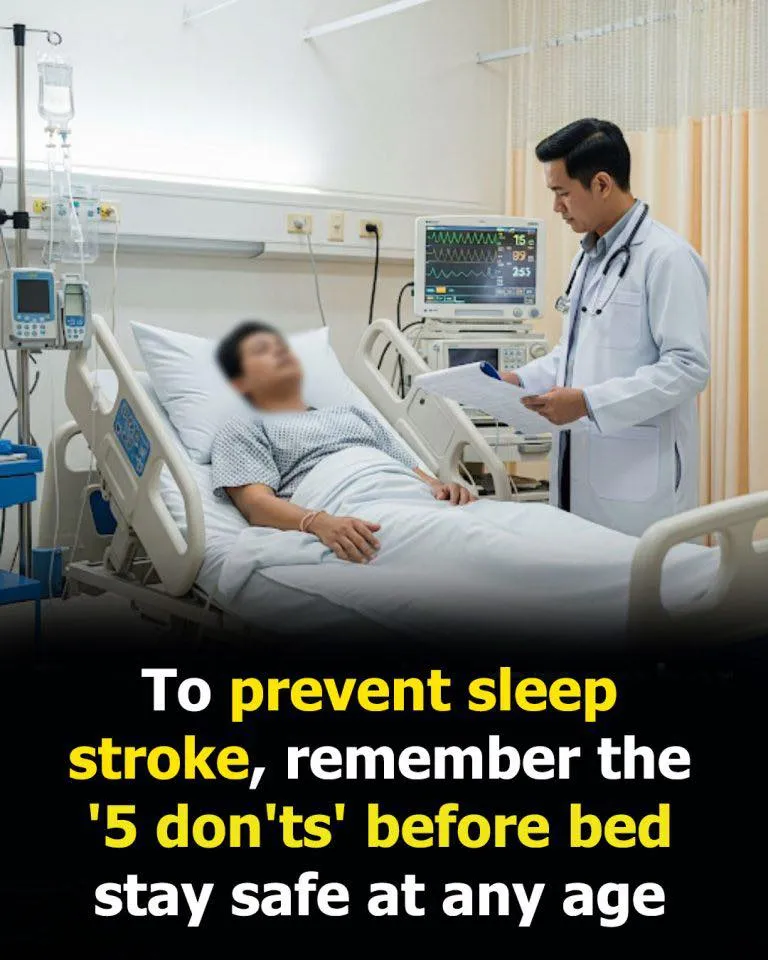
A stroke occurs when blood flow to the brain is interrupted—either by a clot that blocks a vessel (ischemic stroke) or by a burst or leaking blood vessel (hemorrhagic stroke). When the event happens during sleep, doctors call it a wake-up stroke.
Because symptoms don’t appear until you wake up, treatment is often delayed. This is why nighttime prevention is so important.
How Do You Know If You Had a Stroke in Your Sleep?
- Numbness or paralysis on one side of the body (arm, leg, or face)
- Slurred speech or difficulty forming words
- Trouble understanding what others are saying
- Confusion or sudden disorientation
- Blurred, blackened, or double vision
- Sudden trouble walking or loss of balance
- A severe, unexplained headache
- Nausea, vomiting, or dizziness
- Seizures or loss of consciousness
Doctors also recommend remembering the FAST test:
- F – Face drooping
- A – Arm weakness
- S – Speech difficulty
- T – Time to call emergency services immediately
Even if symptoms appear mild, don’t ignore them—early treatment saves lives and prevents long-term disability.
Why Nighttime Habits Matter
During sleep, your body’s systems slow down. Blood pressure typically dips, blood sugar stabilizes, and your cardiovascular system gets a chance to reset. But unhealthy evening habits—like late heavy meals, alcohol, or unresolved stress—can keep your system on high alert. Over time, this increases your risk for dangerous nighttime events like sleep strokes.
5 “Don’ts” Before Bed (Habits That Raise Sleep Stroke Risk)
1. Don’t Eat Heavy or Salty Meals Late at Night
Finishing a plate of salty takeout or a large dinner right before bed can spike your blood pressure. Sodium makes your body retain water, forcing your heart to pump harder. Heavy meals also make digestion difficult, disturbing your sleep. Aim to finish eating at least 2–3 hours before bedtime.
2. Don’t Overindulge in Alcohol or Smoke
Even a few drinks before bed can cause blood pressure spikes during the night. Alcohol disrupts natural sleep cycles, while smoking damages blood vessels and increases clot risk. Together, they create the perfect storm for vascular problems.
3. Don’t Go to Bed Angry or Stressed
Emotional stress isn’t just a feeling—it triggers surges of adrenaline that raise blood pressure and heart rate. Arguments, late-night worries, or even doomscrolling before bed can keep your body in “fight-or-flight” mode when it should be resting.
4. Don’t Use Screens Right Before Bed
Blue light from phones, TVs, or tablets suppresses melatonin, the hormone that signals your body to sleep. Poor sleep quality increases inflammation and worsens blood pressure regulation, both linked to stroke risk. Turn screens off at least one hour before bedtime.
5. Don’t Ignore Warning Symptoms
Chest tightness, sudden palpitations, or unusual headaches should never be brushed aside with the thought, “I’ll deal with it tomorrow.” If you experience these symptoms at night, seek help immediately—they can be early signs of heart or brain issues.
6 “Do’s” Before Bed (Habits That Protect Your Heart and Brain)
1. Aim for 7–9 Hours of Quality Sleep
2. Stay Hydrated (But Not Too Much)
Mild dehydration thickens your blood, raising clot risk. A small glass of water about an hour before bed is often enough. Avoid chugging too much liquid right before bed to prevent nighttime bathroom trips that disturb rest.
