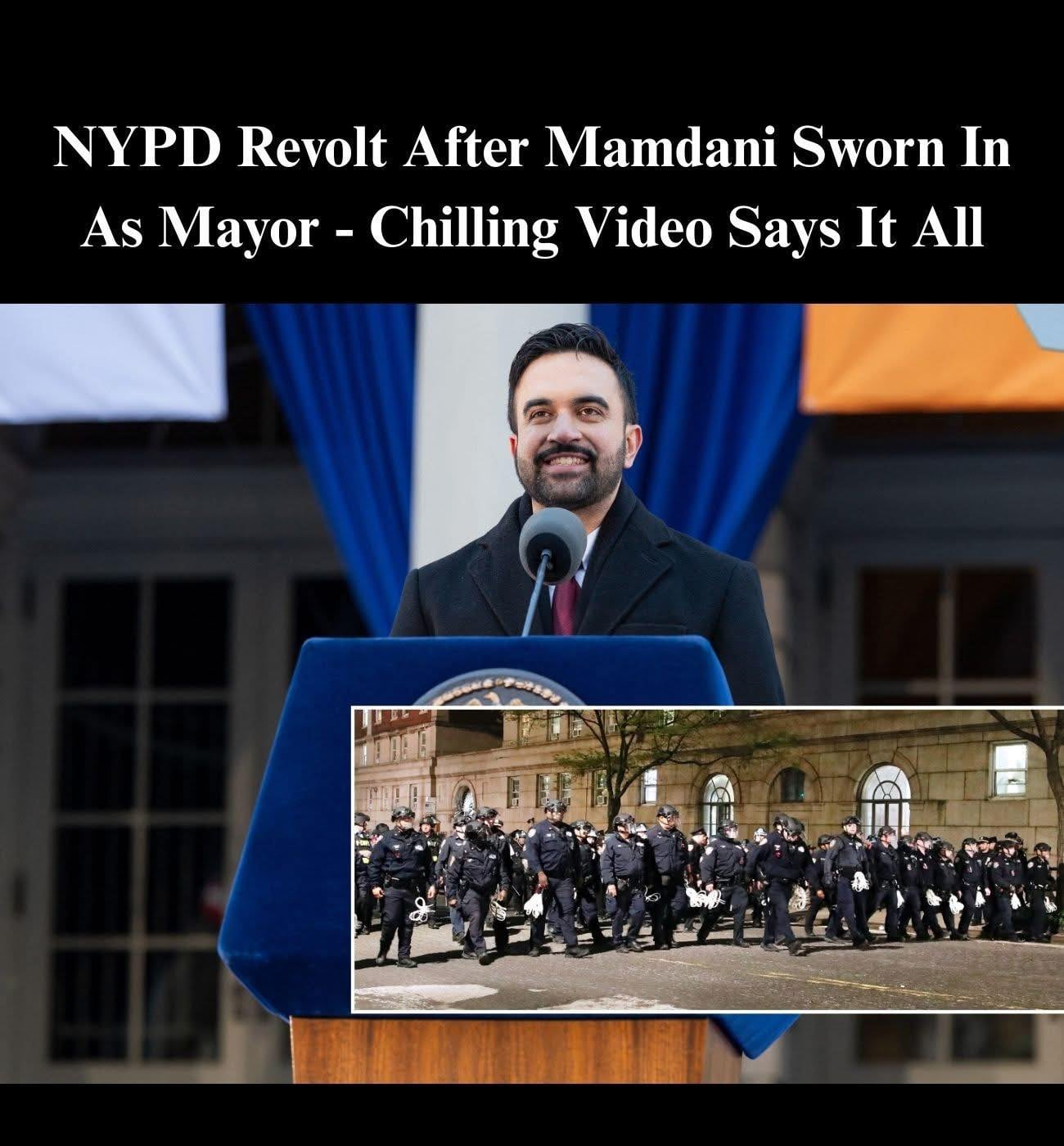
The object at the center of the storm—the box—stopped being evidence altogether. It became a canvas. Every faction painted its own meaning onto it, layering intention over uncertainty. No one asked the simplest question for very long: what actually happened? The city didn’t wait for answers. It waited for alignment.

This is the cost of a city fractured not just by ideology, but by trust. When institutions and movements assume bad faith as a default, every gesture becomes hostile. A costume becomes a target. A protest becomes a threat. A uniform becomes both shield and provocation. The shared language needed to distinguish between them erodes.
Somewhere along the way, the idea of intent vanished. The conversation stopped caring who placed the box, whether it was meant as satire, protest, provocation, or something else entirely. Meaning was assigned in advance. Guilt became atmospheric. The cemetery, a place meant for closure, turned into a stage for unresolved conflict. Continue reading…
