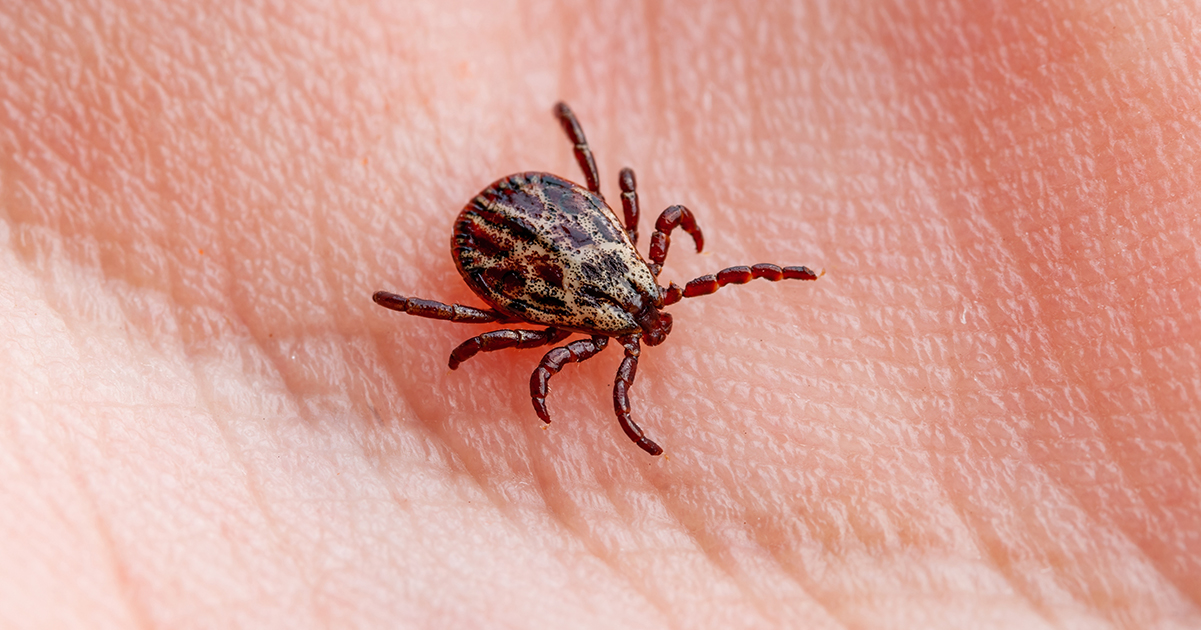
How to properly dispose of ticks if you find one
Here we come to the next part: disposing of the tick properly. It might seem as obvious as simply throwing it in the trash, but there are actually steps you should be taking to ensure that the particular tick you’ve found will never feed on blood – human or otherwise – again.
For best results, place the tick in a sealed bag or container to prevent future contact with humans and animals. Alternatively, you can wrap it in tissue paper and flush it down the toilet.

Ticks and pets
In all likelihood, you’ll already perform regular checks for ticks if you own pets, but it can’t hurt to remind you just how important it is. Ticks are often more active in warmer months, though they can survive freezing temperatures, so ensure you’re performing said checks regularly throughout the year.
Search your pet in areas such as the ears, armpits, skin folds, toes, and groin by thoroughly combing through the fur and feeling for any small, firm bumps on the skin.
Remember, keeping your pet tick-free helps keep you and your home tick-free in turn. So it’s certainly worth doing!
If you’ve been bitten
There are a number of things to watch out for if you suspect you’ve been bitten by a tick. Early signs of Lyme disease can include flu-like symptoms, joint pain, and muscle aches.
Continue reading…
