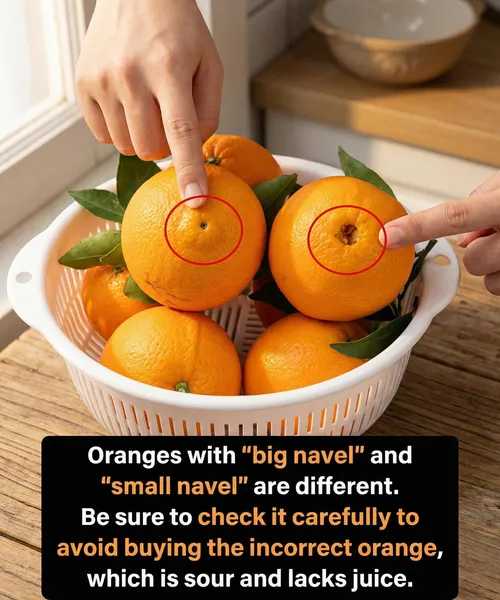
Choosing the right orange may seem like a small detail, but it can make a noticeable difference in taste, juiciness, and overall enjoyment. Among the most common varieties found in markets are navel oranges, easily recognized by the small circular mark on one end that resembles a belly button. This feature is not a flaw but a natural characteristic that forms when a secondary fruit develops within the main orange. However, not all navels are the same. Differences in size, shape, and texture can hint at how the fruit will taste, making it worthwhile to look a little closer before placing oranges into your shopping basket.
Texture and weight are also valuable indicators of quality. A good orange should feel firm but not hard, with skin that is smooth and slightly glossy. When you pick it up, it should feel heavy for its size, which usually means it contains plenty of juice. Oranges that feel light or have wrinkled skin may have begun to dry out. Additionally, color plays a role, though it can be misleading. A bright orange hue is appealing, but some excellent oranges may have green patches, especially early in the season. This coloration does not necessarily affect sweetness or juiciness and should not automatically deter buyers.
Understanding these subtle differences can help consumers make more informed choices and avoid disappointment at home. Whether oranges are intended for snacking, salads, or fresh juice, selecting fruit with the right balance of ripeness and texture enhances both flavor and value. Taking a moment to examine the navel, feel the weight, and check the skin condition can transform a routine grocery trip into a smarter selection process. Over time, these small habits build confidence and ensure that each orange brings the refreshing taste and nutrition people expect from this popular citrus fruit.
