State regulators reported that none of the inspections triggered by the video uncovered evidence of fraud at the daycare centers in question, although some facilities did have unrelated regulatory violations (for example, record‑keeping issues or cleanliness concerns).
Local media outlets such as CBS Minnesota and others also conducted independent checks of state records. Their reporting found that at least nine of the centers highlighted in the viral video continued to hold valid licenses and were recently inspected by state agencies, and that the issues raised in the video did not match the regulatory compliance findings.
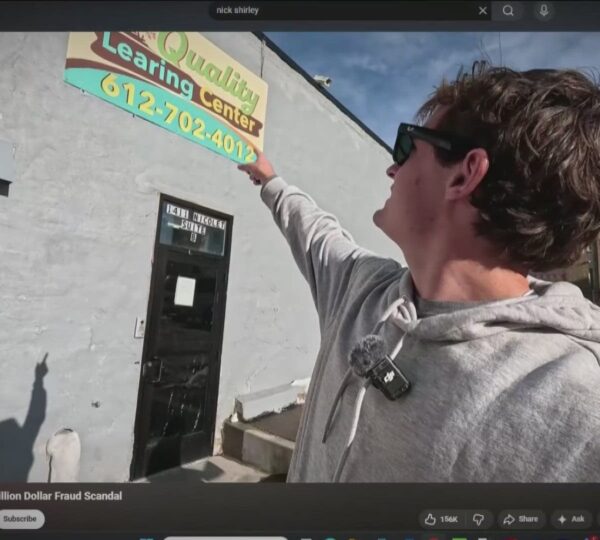
Experts and journalists emphasized that the video’s approach — showing empty parking lots or locked doors at singular moments — does not equate to proof that a childcare provider is not offering services.
Many centers operate on limited or variable schedules, and footage taken outside normal operating hours can give a misleading impression of inactivity.
Political Fallout and Broader Debates
The controversy quickly transcended child care policy and became a flashpoint in political discourse. Republican leaders seized on it to press for enhanced transparency and unannounced inspections for entities receiving taxpayer funds.
Meanwhile, some Democrats and civil rights advocates warned that the video’s targeting of predominantly immigrant‑owned childcare centers, some of which served Somali American communities, raised concerns about bias, harassment, and possible racial profiling.
Critics urged that enforcement and oversight should be pursued without stigmatizing entire communities or presuming wrongdoing based on nationality or religion.
They also emphasized that while abuse of public programs should be investigated, the public conversation should not be shaped by hasty assumptions or partial evidence. Continue reading…
