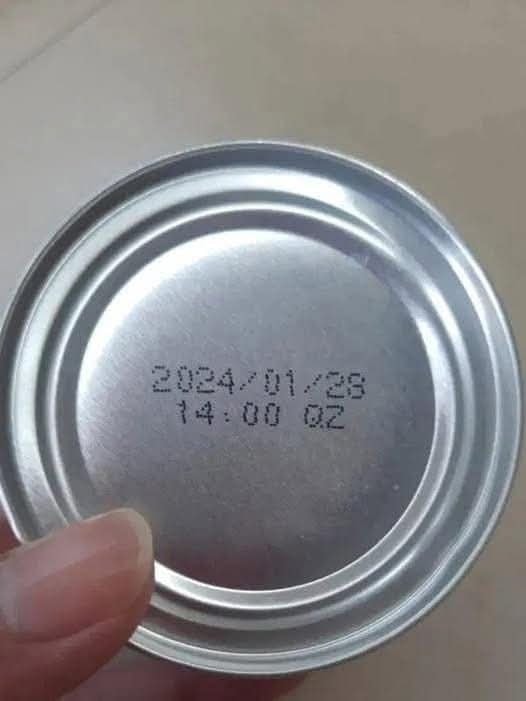
Many of us have stood in front of the refrigerator holding a carton of milk or a package of chicken, staring at the expiration date and hesitating. It’s easy to believe that a product becomes unsafe the moment the printed date arrives, so we toss things out “just to be safe.” But most people don’t realize that expiration dates are often about quality, not safety. Learning what these labels really mean can help reduce stress, save money, and prevent unnecessary waste. Instead of assuming everything past a printed date is spoiled, a little understanding can go a long way in helping us make confident, informed choices at home.
One reason expiration dates feel so confusing is that they aren’t standardized across the food industry. Brands use labels like “Best If Used By,” “Use By,” and “Sell By,” but these terms don’t all mean the same thing. “Best If Used By” typically describes peak quality—meaning the food may taste best before that date but is often still safe afterward. “Use By” also indicates top quality, not an automatic safety cutoff, for most products. And “Sell By” isn’t meant for consumers at all; it simply guides stores on how long to keep items on display. Because these terms sound more serious than they are, many shoppers understandably assume they’re strict rules. In reality, most food remains perfectly fine when stored properly, even if the date has already passed.
Of course, printed dates aren’t the only way to judge freshness. Our senses—sight, smell, and texture—can tell us a great deal. If something smells off, looks unusual, or feels strange, it’s best to discard it. But if food appears normal and has been stored well, it often remains safe past the date on the package. Canned items, dry goods, frozen foods, and even eggs can last much longer than most people expect. By learning how to evaluate food thoughtfully and storing ingredients correctly, we can waste less, save more, and make the most of what we buy. The next time you see an expiration date and feel tempted to toss something immediately, pause for a moment. A quick look, a careful sniff, and a bit of common sense may show that it’s still perfectly good—helping your wallet, your meals, and the planet along the way.
