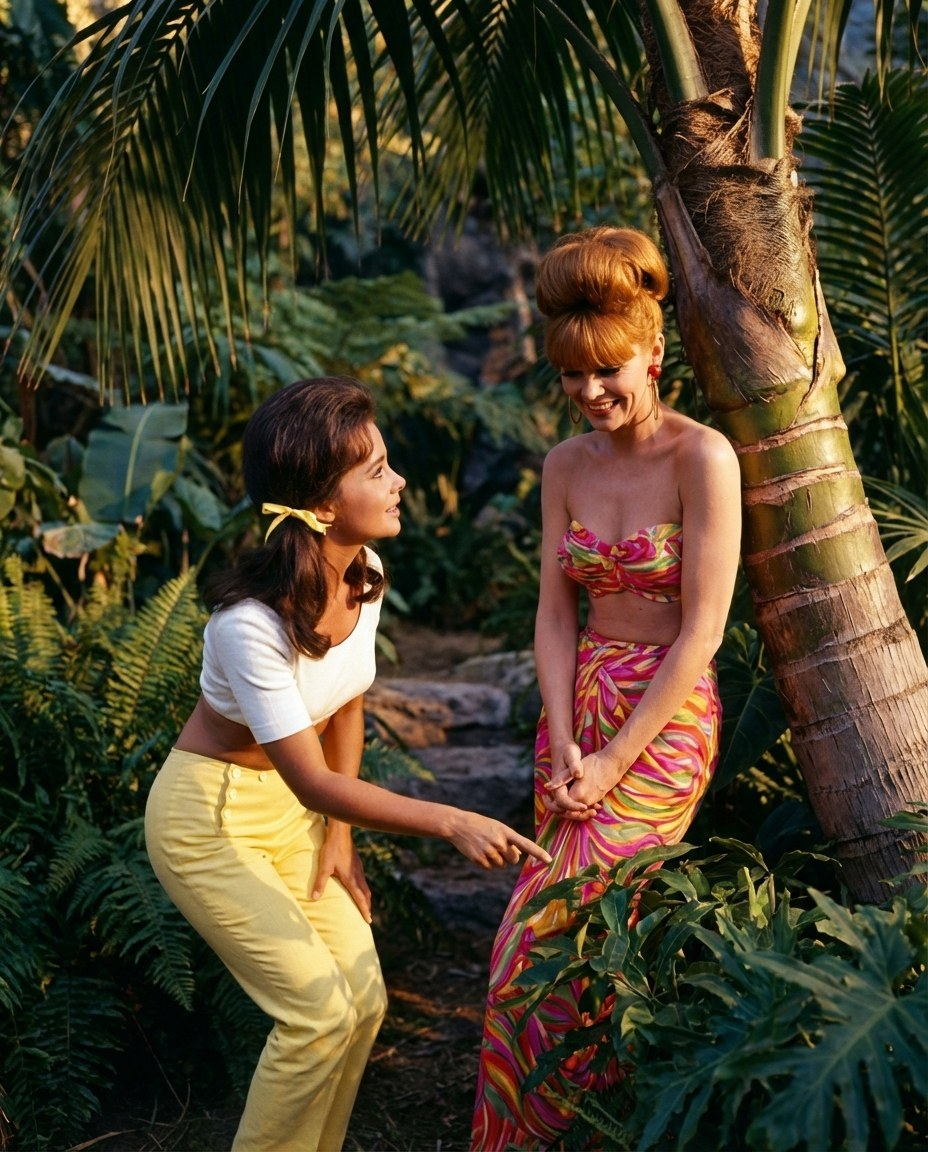
More than half a century after it first aired.
Gilligan’s Island continues to enchant viewers of all ages with its bright tropical setting, its unforgettable ensemble of castaways, and its blend of slapstick humor and charming absurdity.
Yet part of what makes the show endlessly fascinating isn’t just the escapades on screen but the stories, bloopers, and quirky production realities that emerged behind the scenes.
Far from diminishing its magic, these details have become part of the show’s enduring appeal.
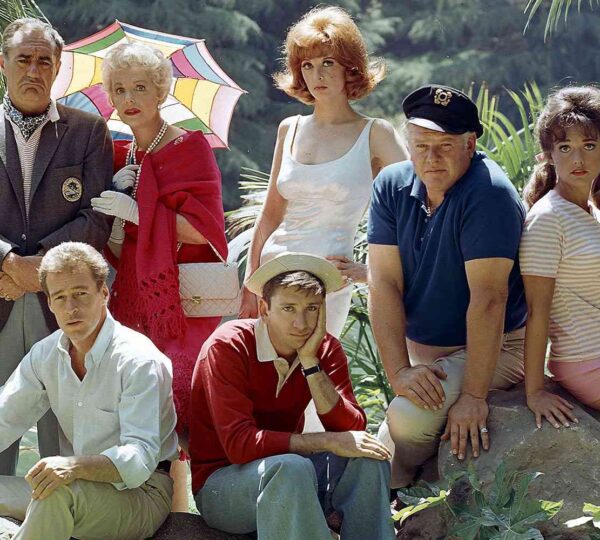
At its core, Gilligan’s Island tells the simple, repetitive, and infinitely meme‑worthy tale of a boat trip gone horribly wrong.
What was only supposed to be a “three‑hour tour” turned into a lifetime of comic misfortune when a storm stranded a diverse group of passengers on an uncharted tropical isle.
The passengers included the well‑meaning but hapless first mate Gilligan; the gruff but lovable Skipper; millionaire Thurston Howell III and his refined wife Lovey;
movie star Ginger Grant; wholesome farm girl Mary Ann Summers; and the brainy, resourceful Professor Roy Hinkley.
Together, they provided endless opportunities for misunderstanding, invention, and laughter — but what most casual viewers didn’t realize at first was that the show itself came with its own list of imperfections that became part of the fun.
As the passengers board the ill‑fated S.S. Minnow at the start of the voyage, careful viewers have pointed out that the number of figures on the deck doesn’t always match the story’s setup.
In a few wide shots, more than the seven main characters appear aboard the boat — apparently because stand‑ins were used for some distant shots when the real cast wasn’t available.
This small continuity slip has delighted eagle‑eyed fans for decades, becoming one of those classic television curiosities that doesn’t harm the charm of the series but gives viewers something extra to notice.
Beyond this early intro quirk, other goofs crop up across the episodes.
In the season two opening credits at the lagoon set, for example, the S.S. Minnow looks noticeably different from earlier depictions, and even its beach placement shifts inexplicably from one scene to the next — a continuity oddity that makes it seem as if the castaways occasionally moved their rescue‑hopes boat around like misplaced furniture on the set.
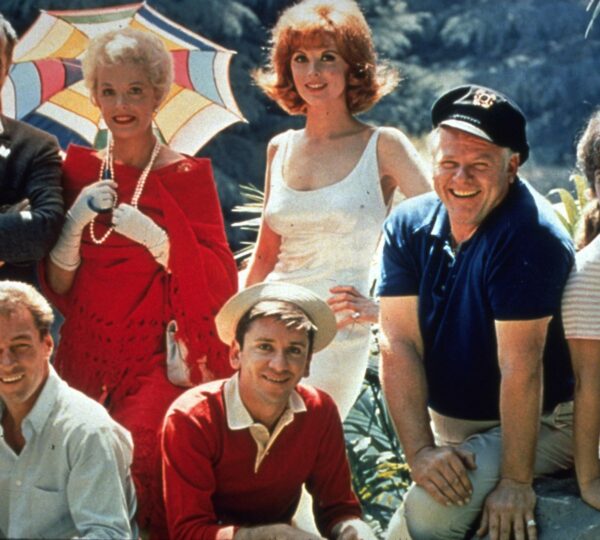
And then there are the blunders that crop up during actual episodes. In one, castaways Ginger and Mary Ann smell fudge burning in their hut and rush in to investigate — only for the structure to collapse and reveal an empty interior.
Even wardrobe continuity was loose: Mary Ann, Ginger, and the Howells appear in multiple outfits throughout episodes despite having supposedly been stranded since the ill‑fated departure, and at times Gilligan himself is seen wearing actor Bob Denver’s real wedding ring.
These sorts of goofs might frustrate a modern binge‑watcher with a pause button and slow‑motion replay, but for generations of fans they became part of the fun.
Spotting continuity quirks and small mistakes evolved into a shared pastime, adding extra layers to the show’s rewatchability.Continue reading…
