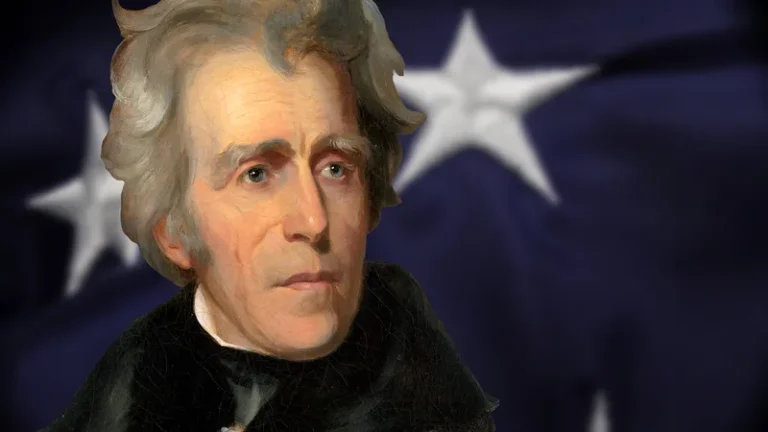
Andrew Jackson is one of the most polarizing figures in American history. Supporters credit him with expanding democratic participation for white male voters and strengthening the presidency. Critics, however, focus on the severe human cost of his policies.
Jackson’s most controversial action was his enforcement of the Indian Removal Act of 1830. This policy led to the forced relocation of Native American tribes from their ancestral lands, resulting in the Trail of Tears, during which thousands died from disease, starvation, and exposure. Despite a Supreme Court ruling that protected Native American sovereignty, Jackson refused to enforce it.
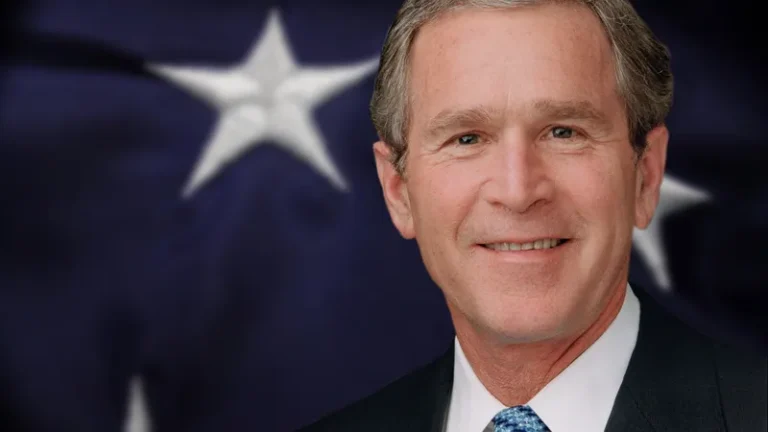
George W. Bush (2001–2009)
George W. Bush’s presidency was shaped by the September 11, 2001 terrorist attacks, which dramatically altered U.S. foreign and domestic policy. His administration launched the War on Terror, including wars in Afghanistan and Iraq.
The invasion of Iraq in 2003 remains one of the most debated decisions in modern American history. The justification for the war was based on intelligence that later proved inaccurate, particularly regarding weapons of mass destruction. The conflict resulted in prolonged instability in the region and significant loss of life.
Domestically, Bush faced criticism for the federal government’s response to Hurricane Katrina in 2005, which exposed serious weaknesses in disaster preparedness and emergency management.
Additionally, the 2008 financial crisis occurred during the final year of his presidency, further damaging public confidence. While supporters defend some of his actions, Bush is often ranked among the more controversial modern presidents.
 Continue reading…
