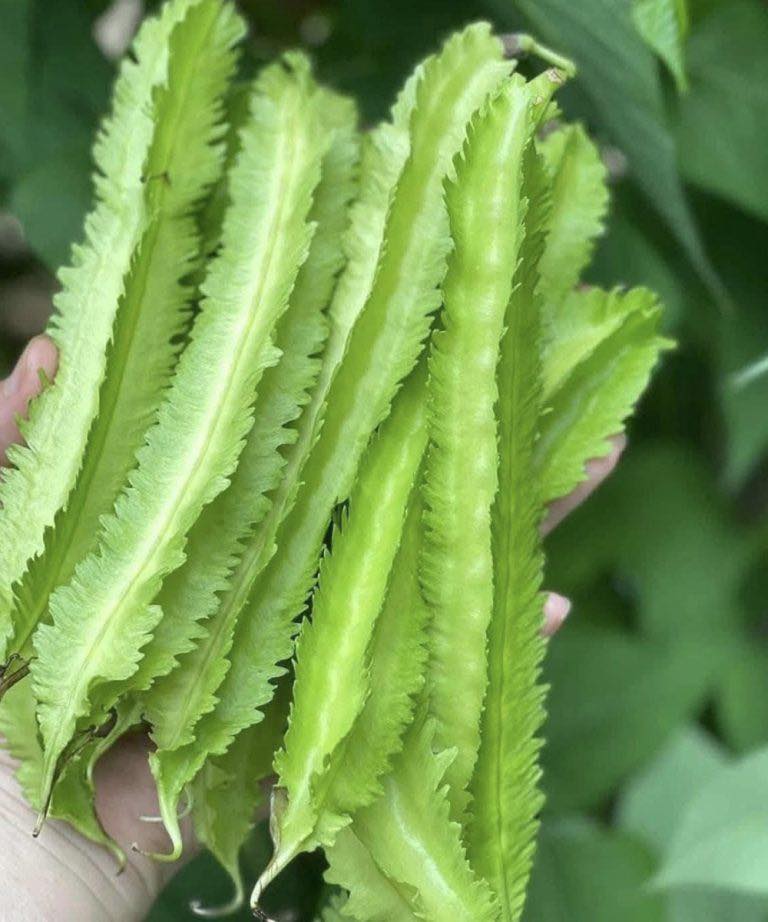
Winged beans, known scientifically as Psophocarpus tetragonolobus, grow in tropical climates and have long been a staple in Southeast Asia. They are sometimes called four-angled beans or Goa beans. What sets them apart from many other vegetables is that nearly the entire plant is edible. The tender pods, leafy greens, flowers, and even the underground roots can all be cooked and enjoyed.
For individuals seeking nutrient-dense foods, winged beans offer a comforting balance of protein, vitamins, and minerals. Their naturally high protein content makes them appealing to older adults who want to support muscle strength and maintain steady energy. The plant also contains minerals such as calcium and phosphorus, which contribute to bone wellness when included as part of a balanced diet.
Who Can Benefit From Eating Winged Beans
Continue reading…
