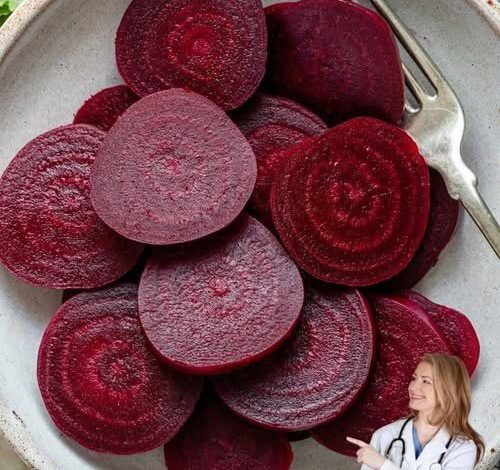
You’ve probably heard the buzz: “Beets are a superfood!” While that label gets tossed around a lot, beets really do deserve the hype. Packed with antioxidants, nitrates, fiber, and folate, they offer real benefits for your heart, brain, and even exercise performance.
The Beet Upgrade: What Really Happens When You Eat Beets
Let’s cut through the marketing and look at what science actually says about beets—and what’s just hype.
7 Evidence-Based Benefits of Beets
- How: Beets are high in nitrates, which your body converts into nitric oxide to relax blood vessels.
- Evidence: A 2013 study found that 250 ml (8 oz) of beet juice lowered systolic blood pressure by 4–10 mmHg within 3–6 hours.
- ✅ Best for: People with high or slightly elevated blood pressure (as a complement to, not a replacement for, medication).
2. May Boost Athletic Performance
- How: Nitric oxide improves muscle oxygen efficiency.
- Evidence: Cyclists who drank beet juice before a time trial rode 2.8% faster and used less oxygen. Similar results are seen in runners, swimmers, and older adults.
- ✅ Tip: Consume beets 2–3 hours before exercise for best results.
3. Supports Brain Health
- How: Nitric oxide increases blood flow to the frontal lobe, improving memory and decision-making.
- Evidence: Older adults drinking beet juice showed brain activity patterns closer to younger adults during cognitive tests.
4. Reduces Inflammation & Oxidative Stress
- How: Betalains, the pigments that give beets their red color, act as antioxidants.
- Evidence: Betalains may lower chronic inflammation markers linked to arthritis, heart disease, and some cancers.
- ✅ Tip: Raw, roasted, or juiced beets retain the most betalains—overcooking can reduce them.
5. Improves Digestion & Gut Health
- How: One cup of beets contains 3.4 g of fiber, which feeds beneficial gut bacteria.
- Evidence: A healthy microbiome supports immunity, metabolism, and even mood.
- ✅ Bonus: Fiber also helps regulate blood sugar and promotes fullness.
6. Supports Natural Detoxification
- How: Betalains help liver enzymes process and remove toxins.
- Evidence: Animal studies show improved liver function; human research is still limited.
- ✅ Reality check: Beets support your body naturally—no fancy “cleanse” needed.
7. Provides Key Nutrients
- Folate (B9): 37% of daily value
- Manganese: 22%
- Potassium: 11%
- Iron: 6%
What Beets Can’t Do
| Claim | Reality |
|---|---|
| “Cure cancer” | Lab studies suggest anti-cancer activity, but no human evidence of a cure. |
| “Melt fat” | Beets are low-calorie, but juice lacks fiber and may spike blood sugar. Whole beets are better. |
| “Flush kidneys” | Beets support kidney health via antioxidants, but don’t literally flush toxins. |
| “Guarantee glowing skin” | Skin health depends on overall nutrition, hydration, and sleep—not one food. |
Things to Keep in Mind
- Beeturia: Up to 14% of people see pink/red urine or stool. Harmless.
- Kidney stones: Beets are high in oxalates; eat in moderation if prone to stones.
- Low blood pressure: Consult your doctor before daily beet juice if hypotensive.
- Medication interactions: Beets may enhance blood pressure meds or PDE5 inhibitors.
How to Eat Beets for Maximum Benefit
- Raw: Grate into salads or blend into smoothies (preserves nitrates).
- Roasted: Toss with olive oil, salt, and herbs at 400°F for 35–45 minutes.
- Juiced: Mix with apple, ginger, and lemon for flavor.
- Pickled: Adds probiotics (watch sodium).
- Soups: Classic borscht is nutrient-rich.
Pro tip: Pair with vitamin C (lemon, peppers) to boost nitrate absorption.
Final Thought: A Simple Root with Big Impact
Beets aren’t magic, but they’re a powerful, natural health booster. No expensive powders or daily shots needed—just roast them, blend them, or snack on beet chips.
