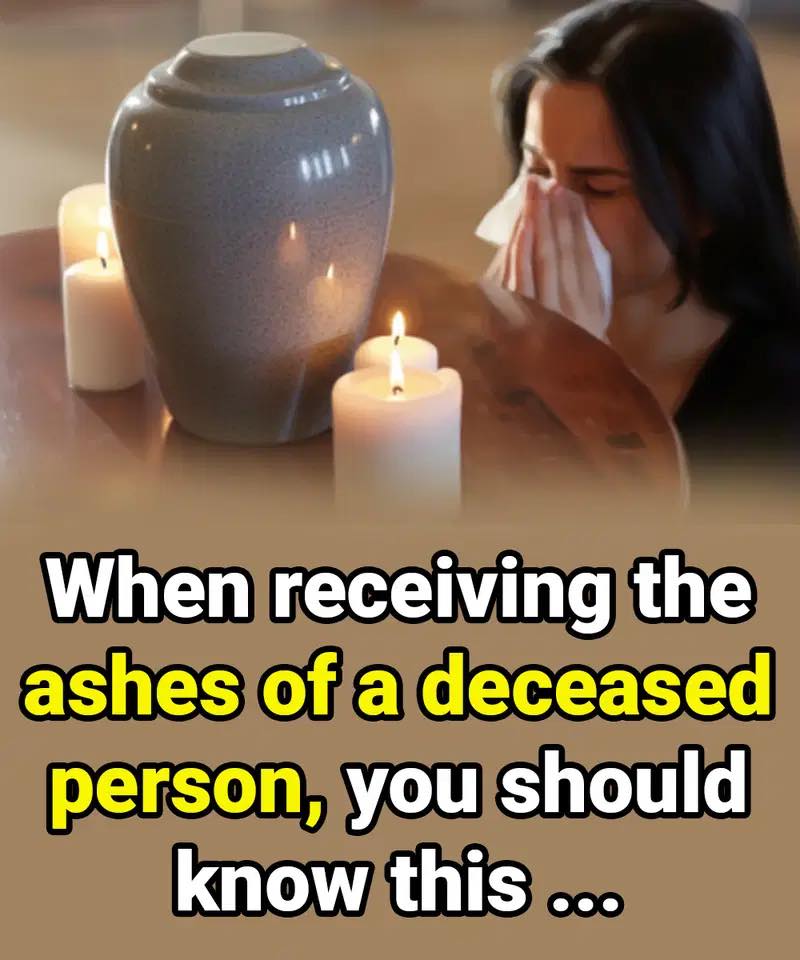
Losing someone dear leaves a space that no words can truly fill. For many families, scattering a loved one’s ashes feels like a final, loving gesture — a way to set them free while keeping their spirit close. This act can be deeply healing, but it also comes with important considerations. Not every place is appropriate or allowed for scattering ashes, and understanding the laws and customs beforehand ensures your tribute is both meaningful and respectful.
In this guide, we’ll walk through the places where ashes should not be scattered, as well as thoughtful alternatives that can help you celebrate a loved one’s life in a dignified, lawful, and environmentally caring way.
Understanding the Meaning Behind Scattering Ashes
Before making a decision, take time to understand where ashes can and cannot be scattered. Doing so will save unnecessary stress and help you create a peaceful, heartfelt moment that truly honors your loved one.
1. Private Property Requires Permission
A place may hold deep meaning — perhaps your loved one’s favorite golf course, farm, or childhood home — but scattering ashes on private land without consent is legally considered trespassing. Even a small act done with the best of intentions could upset property owners or lead to legal issues.
If the location belongs to someone else, reach out respectfully to ask for permission. Many landowners are understanding and may allow it under certain conditions. When in doubt, always get written approval before moving forward.
2. Protected Natural Areas Have Special Rules
National parks, wildlife refuges, and other conservation zones exist to preserve delicate ecosystems. Cremated remains contain minerals that may alter soil chemistry and affect plant and animal life. That’s why many protected areas either prohibit or tightly control scattering ashes.
Some national parks in the United States do allow scattering with advance permission, provided visitors follow specific guidelines. These may include scattering away from trails and waterways, using only natural containers, and keeping the event private and low-impact. Always check local or federal park regulations before planning your ceremony.
3. Be Cautious When Scattering in Water
Many families feel drawn to the ocean or a peaceful lake as a resting place. Water has long been a symbol of eternity and renewal. However, environmental and legal factors must be taken seriously.
- Oceans: In the U.S., the Environmental Protection Agency (EPA) requires ashes to be scattered at least three nautical miles from shore. This helps protect coastal ecosystems and public beaches.
- Rivers and Lakes: Freshwater sources are often subject to stricter regulations. Scattering in drinking water reservoirs or recreational areas is typically prohibited. Always consult local authorities or funeral professionals to ensure compliance.
It’s also wise to avoid crowded swimming areas or popular fishing spots, as ashes can drift unexpectedly with wind or current.
4. Avoid Public and Urban Spaces
Busy city areas — like parks, sidewalks, stadiums, or shopping districts — may not seem like obvious places to scatter ashes, yet they’re sometimes chosen for their connection to a loved one’s daily life. Unfortunately, these settings are generally unsuitable.
5. Respect Religious and Historic Sites
Churchyards, cemeteries, temples, and historic landmarks often have deep cultural or spiritual significance. Many of these places are consecrated or protected by law, meaning ashes can only be scattered there with formal approval.
Each faith tradition has its own beliefs regarding cremation and final resting places. For example, some Christian and Jewish communities prefer ashes to be kept in sacred ground, while others may permit scattering in specific areas. Before making plans, speak with the clergy or governing body of the site to understand their policies.
Similarly, scattering ashes on or near historical monuments can be considered desecration and may result in fines or penalties. It’s best to honor these spaces by visiting or placing flowers rather than using them for scattering.
6. Choose Safe and Calm Conditions
Even when you’ve selected a permitted location, timing matters. Wind, rain, or large crowds can turn what should be a peaceful ceremony into a distressing experience.
For the most meaningful moment, pick a quiet time of day — early morning or just before sunset — when weather conditions are calm and the space feels private. This allows you and your loved ones to reflect without distraction or discomfort.
7. Pick a Place That Feels Personal
One of the most beautiful parts of scattering ashes is creating a connection between the memory of your loved one and the setting itself. Avoid locations that feel impersonal or disconnected from who they were.
Instead, think about their favorite places: a gentle forest path, a mountain view they loved, or a garden where they found peace. The ideal spot should feel like an extension of their life and spirit — a place where memories can linger quietly and naturally.
Meaningful Alternatives to Traditional Scattering
- Memorial Gardens: Many cemeteries and public spaces offer dedicated scattering areas that are beautifully maintained and legally approved.
- Biodegradable Urns: These urns are designed to break down naturally in soil or water, providing a symbolic return to nature.
- Living Memorials: Mixing a small portion of ashes with soil when planting a tree, rose bush, or garden can create a living tribute that continues to grow.
- Keepsake Jewelry: Small portions of ashes can be incorporated into pendants, lockets, or glass art pieces that loved ones can wear or display.
- Home Memorial Displays: Some families prefer to keep the urn at home in a quiet corner, surrounded by photos or candles, creating a private sanctuary of remembrance.
Each of these options allows you to celebrate life while staying mindful of laws and environmental stewardship.
Planning a Thoughtful Farewell
Scattering ashes is not just about letting go — it’s about connection, reflection, and gratitude. With proper planning, you can create a ceremony that feels intimate, respectful, and healing.
Before proceeding, check local regulations or consult a funeral director experienced in cremation ceremonies. They can help you navigate permissions, permits, and best practices. Most importantly, take your time. There is no rush to scatter ashes; waiting until you feel ready ensures the moment is heartfelt and peaceful.
In the end, the best place to scatter ashes is one that reflects the life, love, and values of the person you’re honoring. Whether it’s a quiet hillside, a sunlit meadow, or a family garden, the goal is the same — to say farewell in a way that brings comfort and meaning to those left behind.
By respecting local laws, protecting nature, and choosing a setting that speaks to the heart, families can turn this moment into a beautiful and lasting tribute.

When My Sister Stole My Husband While I Was Pregnant, I Was Shattered — But Life Had the Last Word
There are betrayals so deep they shatter not just trust, but your entire sense of…

From age 65, how often should you shower (and why over-washing can be harmful to your health)
From a exact age, everyday actions should carefully think. One of the most painless —taking…

(VIDEO)Choir Begins Singing ‘Lone Ranger’ Theme With Backs to the Crowd, When They Spin Around I Can’t Stop Laughing
The Timpanogos High School Choir was determined to entertain their audience with a twist on…

If you shop at Dollar Tree, make sure these items never reach your cart
Bargain and discount stores are increasingly popular with everyday items offered at lower prices, making them more…

Pecan Pie Bark: A Crispy, Caramelly Twist on a Southern Classic
If you love pecan pie — that gooey, nutty, caramel-sweet treat that graces tables every…

Wild Snake “Begged” Me For Some Water. When Animal Control Realizes Why, They Say, “You Got Lucky!”
Jake’s peaceful day at the lake took an unexpected turn as a wild snake appeared…

Big Development In Death Of Obama Chef Involves Former President
Former President Barack Obama is at the center of potentially damning new details uncovered by…

13 Stories That Prove the Road of Kindness Isn’t Always Full of Flowers
Kindness brings warmth and appreciation, but reality doesn’t happen as that expectation. Sometimes, the stories…

Doctors reveal the one bl00d type which has the highest risk of getting pancreatic canc3r
While IT’S handed down from our parents and we all have one, how does your…

The Bride Who Knew More Than She Should
From the start, I knew this wedding would be the perfect backdrop to reveal a…

On our wedding anniversary, my husband put something in my glass. I decided to replace it with his sister’s glass.
On our wedding anniversary, my husband put something in my glass. I decided to replace…

Donald Trump has signed the order
In a recent move to combat anti-Semitism, former U.S. President Donald Trump signed an executive…

The Ultimate Layered Pasta Salad: A Showstopping Dish for Every Gathering
Some recipes come and go with the seasons, but this Layered Pasta Salad is a…

The Power of Baking Soda: A Natural and Effective Pest Control Solution
In the world of pest control, many people instinctively turn to store-bought sprays and toxic…

From the Streets to the Altar: A Story of Betrayal, Truth, and Redemption
The summer sun scorched the sidewalks of Fifth Avenue in New York. Beneath the harsh…
