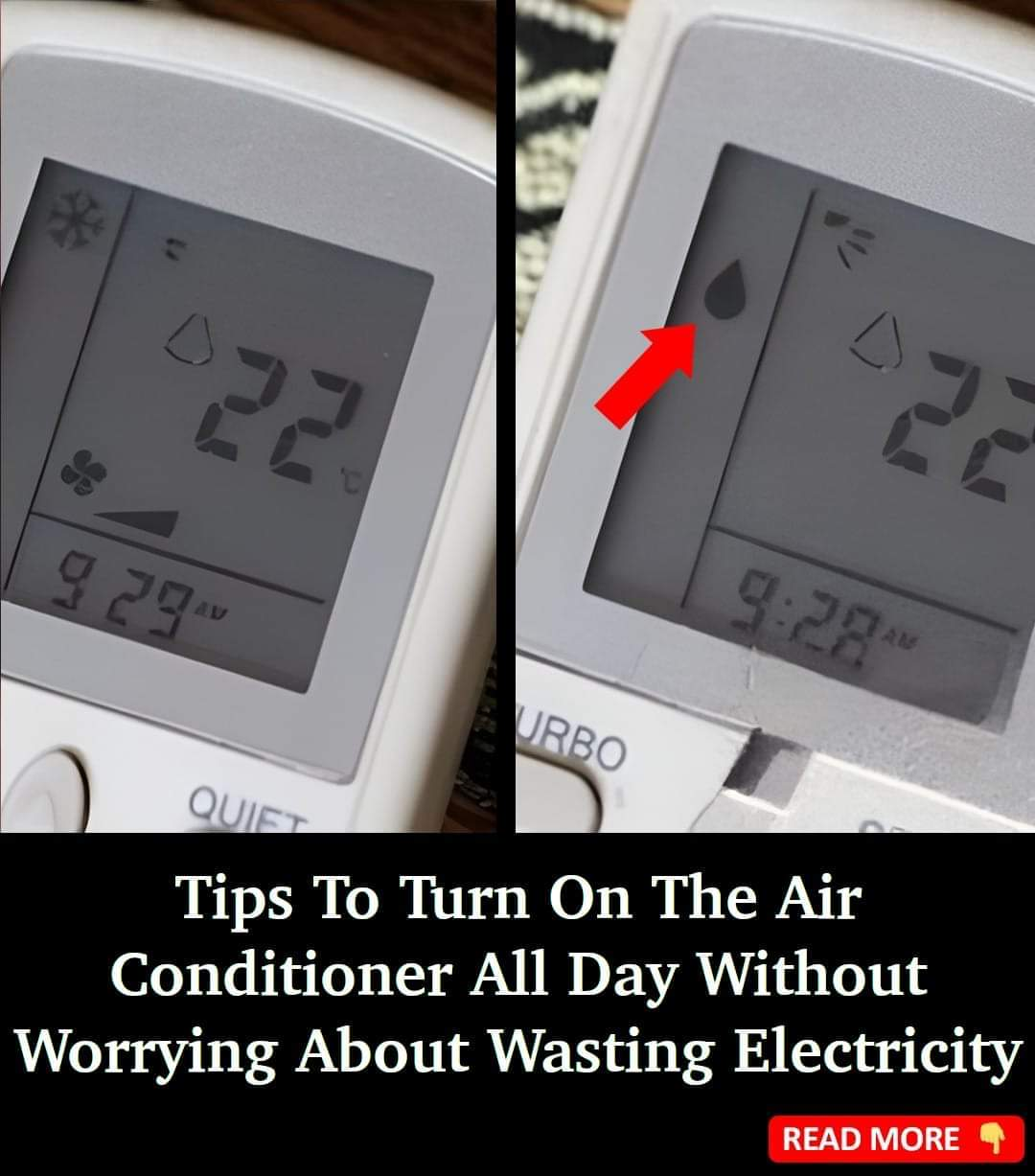
Keeping your home cool doesn’t have to mean overworking your air conditioner or watching energy bills climb all summer. In most cases, better cooling comes from reducing strain on the system and helping cooled air move where it’s needed. Small, consistent habits can significantly improve comfort, efficiency, and the lifespan of your AC.
Air filters are one of the simplest but most overlooked components. When filters clog with dust and debris, airflow drops and the system works harder to push air through. Cleaning or replacing filters every 30–60 days keeps cooling steady, improves indoor air quality, and reduces long-term wear on the system.
Sealing your home is another major efficiency gain. Small gaps around doors, windows, and wall penetrations allow cool air to escape and hot air to enter. Weatherstripping, caulk, and draft blockers help stabilize indoor temperatures so the system doesn’t need to compensate constantly.
Ceiling fans work as silent partners to your AC. They don’t cool the air itself, but they move it effectively, allowing you to raise the thermostat a few degrees without sacrificing comfort. Fans use far less energy than air conditioning and can noticeably lower cooling costs.
Sun control plays a surprisingly large role. Closing blinds or curtains during the hottest part of the day—especially on south- and west-facing windows—reduces heat buildup. This passive cooling step helps rooms stay comfortable without extra energy use.
Annual professional maintenance keeps everything running efficiently. Technicians check refrigerant levels, clean coils, and identify small issues before they become expensive repairs. A tuned system cools faster, runs shorter cycles, and lasts longer.
Thermostat settings matter. A range of 24–26°C (75–78°F) offers a balance between comfort and efficiency. Dropping the temperature too low won’t cool your home faster—it just increases energy use. Smart thermostats can automate adjustments when you’re away or asleep.
Outdoor condenser care also affects performance. Light shade improves efficiency, but airflow must remain unobstructed. Cleaning debris from coils ensures proper heat transfer and reduces compressor strain.
Finally, reducing indoor heat sources—such as ovens, dryers, and stovetops—during peak daytime heat lowers the cooling load. Running them in the evening helps the AC maintain balance with less effort.
Together, these steps don’t just lower bills; they create a cooler, more stable home environment while protecting one of your most important systems.
