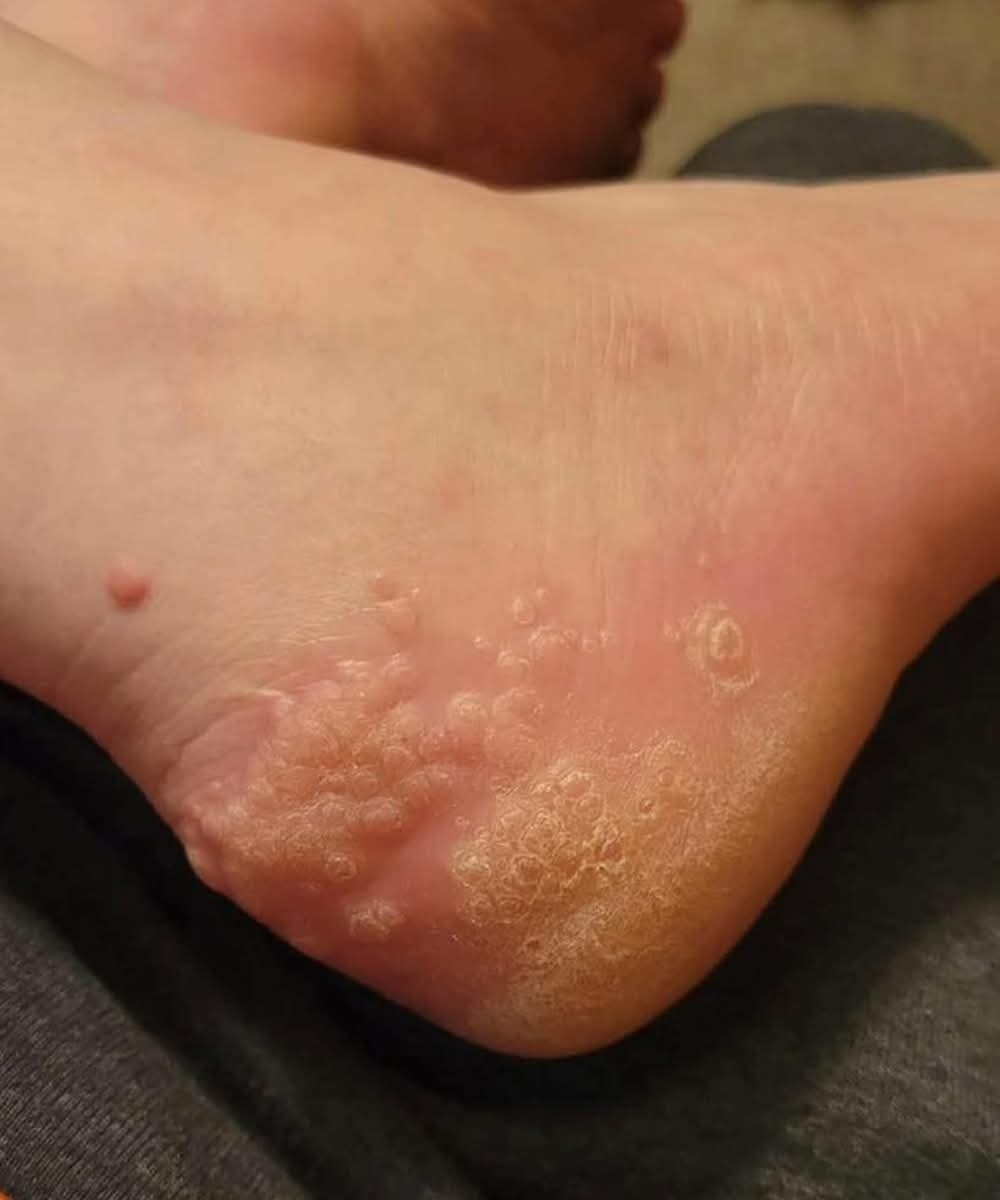
Have you ever noticed patches of thickened skin forming on your toes and feet? These patches can be really painful, but mainly, they are harmless.
The medical name for these patches is corns and calluses, and they are usually a result of shoes that are too tight, too loose, or high-heeled. Also, they often appear when wearing second-hand shoes.
Used shoes can easily create toe issues, since they’ve already been shaped to someone else’s foot. Over time, the form of the shoe is altered and pressure points and seams are created, which are not aligned with your own toes. Consequently, this may cause new problems, including friction and pressure where the shoe rubs and the toes are constantly compressed.

Other Possible Causes (Less Common)
Blisters: Prolonged friction may initially result in blisters full of fluid, which may have a yellow appearance if they get infected.
Fungal infections: If you slip on a pair of previously owned shoes, you could be inviting fungi that cause athlete’s foot and nail infections to set up home on your feet. These infections usually present as itching, redness, peeling skin, or yellowed nails rather than a nodular, firm lesion.
Why Second-Hand Shoes Are More Likely to Cause Problems
New shoes can be uncomfortable at first, but used shoes add even more concerns into the mix. They’ve already been molded to someone else’s feet, creating snug pockets of uneven pressure. Poor sanitation is yet another issue because it can transfer sweat, bacteria or fungi, which can cause irritation or infection.

How to Treat It
Switch shoes: Stop wearing the shoes that are causing the problem. Instead, choose well-built, comfortable shoes that have a wide toe box, good arch supports, and plenty of cushioning.
Soak and smooth: Soak your feet in warm, soapy water for 10 to 20 minutes, then use a pumice stone or emery board to gently smooth. Do not cut into the skin.
Moisturize: Use urea-containing creams to soften hardened skin.
Nonprescription treatments: Salicylic acid pads are available to help remove corns over time.
If the area becomes painful, red, swollen, starts oozing pus, or isn’t getting any better after a couple of weeks, go see a podiatrist. They can safely treat it and check for underlying problems such as bunions or bone spurs.
Please SHARE this article with your family and friends on Facebook.
Bored Daddy
Love and Peace
