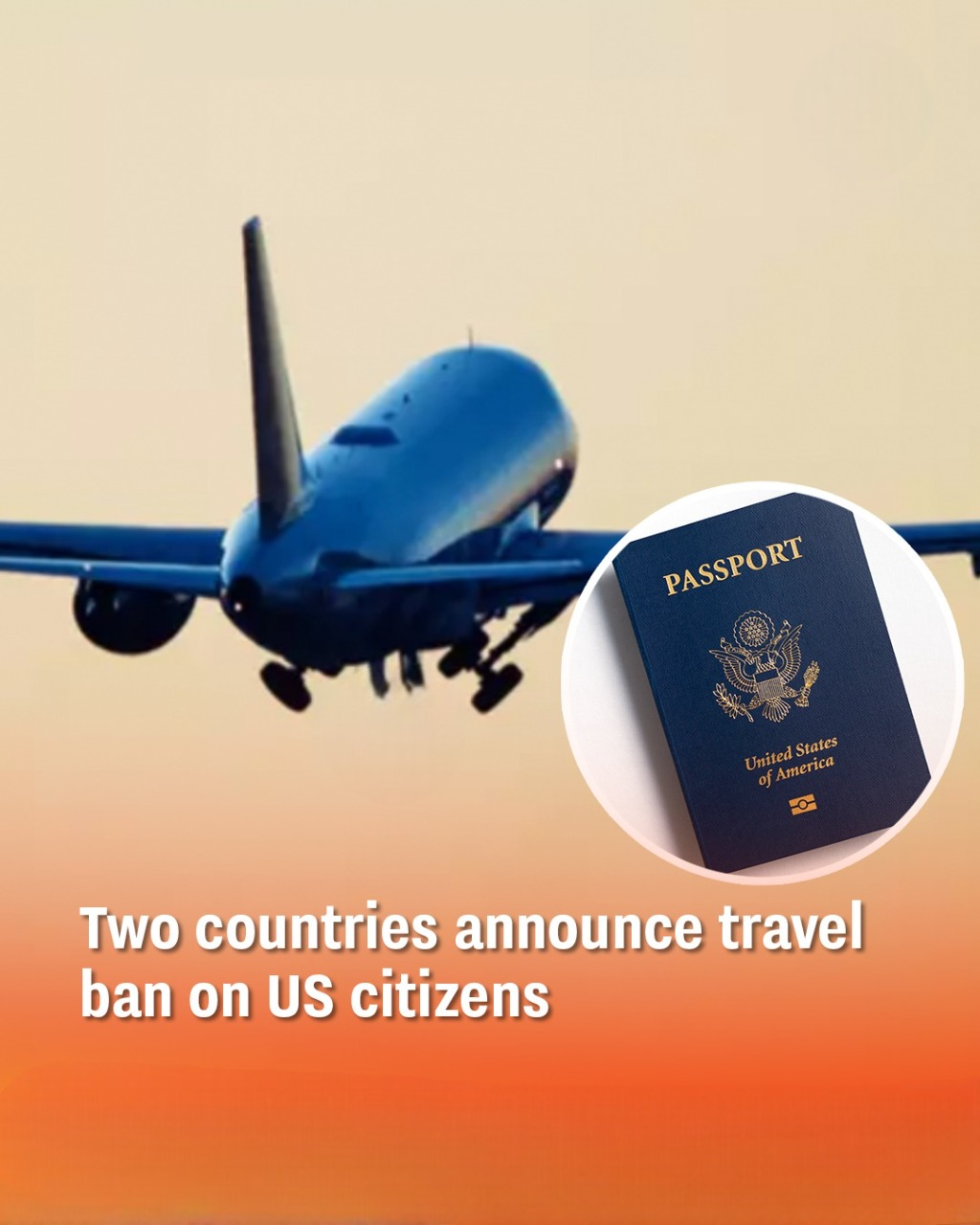
Donald Trump has long made immigration control and border enforcement a central pillar of his political identity, and since returning to the presidency, those priorities have once again translated into sweeping policy changes with global consequences. Earlier this month, the Trump administration announced a significant expansion of U.S. travel restrictions, adding more countries to a growing list of nations whose citizens face full or partial bans on entering the United States. With the latest announcement, the total number of affected countries has risen to 39, making it one of the most expansive travel restriction regimes in modern U.S. history. These measures, which are set to come into force on January 1, 2026, impose visa suspensions, heightened screening, or outright entry prohibitions depending on the country involved. The White House has framed the policy as a necessary national security action, stating that it is the president’s duty to ensure that those seeking to enter the United States do not pose a threat to the American people. Supporters argue the restrictions are designed to pressure foreign governments to improve identity verification systems, border controls, and cooperation with U.S. authorities. Critics, however, say the policy risks diplomatic fallout, economic disruption, and collective punishment of civilians with no connection to security threats. As the list expanded, so too did the international response, with several affected nations moving quickly to impose retaliatory measures of their own.
Under the newly announced rules, a number of countries are facing full travel bans, meaning their nationals will be subject to comprehensive visa suspensions with extremely limited exceptions. These countries include Afghanistan, Burma (Myanmar), Chad, the Republic of the Congo, Equatorial Guinea, Eritrea, Haiti, Iran, Libya, Somalia, Sudan, Yemen, Burundi, Cuba, Laos, Sierra Leone, Togo, Turkmenistan, Venezuela, Burkina Faso, Mali, Niger, South Sudan, and Syria. Nationals from these countries will largely be unable to obtain tourist, student, work, or immigrant visas to the United States once the policy takes effect. In addition to the full bans, partial travel bans will be enforced on another group of countries, including Angola, Antigua and Barbuda, Benin, Côte d’Ivoire, Dominica, Gabon, The Gambia, Malawi, Mauritania, Nigeria, Senegal, Tanzania, Tonga, Zambia, and Zimbabwe. For citizens of these nations, visa access will be restricted rather than completely halted, with limitations affecting certain visa categories such as tourist, student, or temporary work visas. The administration has emphasized that the restrictions vary by country based on what it describes as deficiencies in information sharing, document security, and compliance with U.S. immigration standards. While the White House insists the measures are targeted and conditional, many governments and advocacy groups argue that the bans are overly broad and lack transparency in how countries are evaluated or removed from the list.
