Two days before Christmas, I did something that contradicted every rule I had spent years teaching my own children about safety, caution, and strangers. I stopped my car on an icy road and invited a woman I did not know, carrying a tiny baby, into my home. At the time, I convinced myself it was temporary—just warmth, just shelter, just one night to get them through the cold. I told myself I was being practical, not reckless, compassionate but still controlled. Yet even as I drove, my heart pounded with a mix of fear and certainty, the kind that settles in your chest when you know a decision matters more than you can yet understand. I was thirty-three years old, a single mother to two girls who still believed in Santa Claus with a sincerity that bordered on devotion. They wrote letters in uneven handwriting, debated how reindeer navigated rooftops, and took turns reminding me to move the elf every night. Their father had drifted out of our lives three years earlier, not in a dramatic explosion, but through absence—texts that slowed, calls that stopped, a silence that eventually answered every question I was afraid to ask. I worked long shifts at a hospital, learned how to stretch meals and time, memorized which grocery store discounted milk on which days, and figured out how to fix things myself because there was no one else to call. The only reason we were still steady was the house, a small, aging place passed down from my grandparents, mortgage-free and full of creaks, but safe. That night, as I drove home exhausted, Christmas music humming softly, my thoughts were on wrapping presents, moving the elf, and making sure my girls—who were staying with my mom—would wake up to magic. I did not know that before the night was over, Christmas itself would change shape for me forever.
The road was coated in that deceptive layer of ice that looks harmless until it isn’t, reflecting streetlights like glass. I had just finished a late shift, the kind where your eyes burn and your thoughts feel delayed, when I saw her at the bus stop. She wasn’t pacing or gesturing at a phone. She stood completely still beneath a flimsy plastic shelter, holding a baby tight against her chest as the wind cut through everything. The baby was wrapped in a thin blanket, one tiny hand exposed, fingers red and stiff. I drove past her, my instincts screaming that I had children, that I could not take risks, that this was how bad stories began. For five seconds, I obeyed fear. Then another voice rose beneath it, quieter but stronger, asking what I would want someone to do if that were me, if that were my baby. My hands moved before my doubts could win. I slowed, pulled over, and rolled down the window, my heart hammering. Up close, she looked utterly worn down—dark circles carved deep beneath her eyes, lips cracked from cold, hair pulled into a bun that had given up hours earlier. When I asked if she was okay, she startled, then stepped closer, her voice calm in the way of someone who had already accepted the worst. She had missed the last bus. Her phone was dead. Her sister lived far away. She had gotten the times wrong. That was all she said. The baby whimpered, and something inside me broke open. Before fear could speak again, I heard myself telling her to get in the car. She protested weakly, said I didn’t know her, that she couldn’t impose, but the cold was winning. When warm air hit the baby, he cried—a thin, tired sound that felt like an accusation and a plea all at once. His name was Oliver. He was two months old. Her name was Laura. She apologized over and over during the drive, promised she would leave early, insisted she didn’t need food, said she wasn’t a burden. I kept telling her the same thing: I chose this. And for the first time that night, she laughed, just a little, the sound fragile but real.
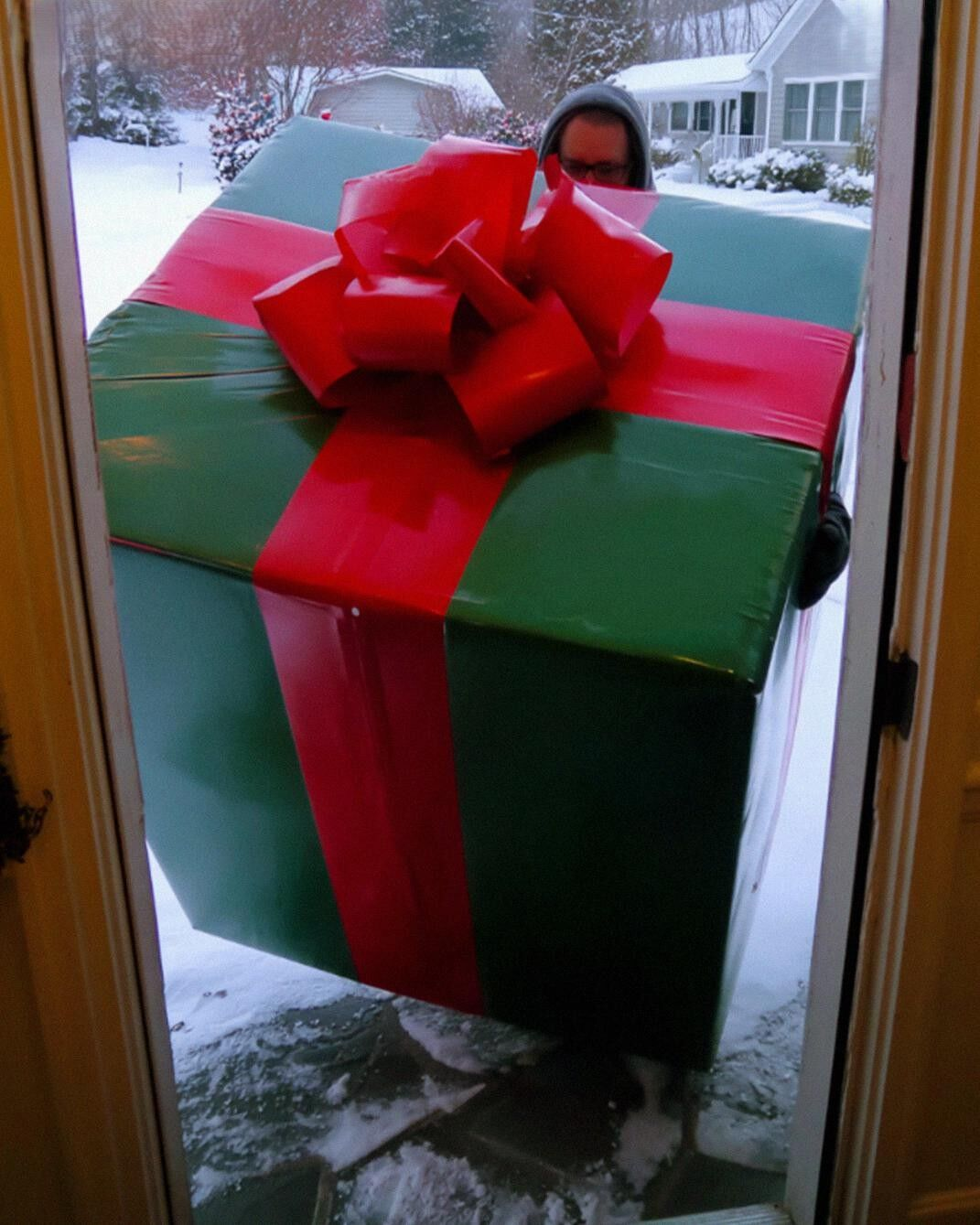
Two days later, Christmas morning arrived in a blur of wrapping paper and excited whispers. My girls hovered around the tree, negotiating who would open the first present, when the doorbell rang. My youngest whispered “Santa?” with reverence, while her sister immediately dismissed the idea. On the porch stood a courier holding a large box wrapped in glossy paper, tied with a red bow. My name was written on the tag. There was no return address. Inside the box was a letter that began with “Dear kind stranger,” written in careful handwriting. Laura explained that she and Oliver had gotten home safely, that her sister had cried when she saw them, that their family didn’t have much but could not let what I had done go unanswered. They had gone through their clothes, she wrote, choosing things they loved, things they wanted my girls to have. Inside the box were sweaters, dresses, pajamas, shoes—beautiful, barely worn, thoughtfully chosen. Sparkly boots that made my seven-year-old gasp. Costumes tucked at the bottom. A smaller note read, “From our girls to yours.” I knelt on the living room floor and hugged my children as they asked why I was crying, and I told them the truth in the simplest way I could: that sometimes people are very kind, and sometimes kindness comes back. My youngest nodded solemnly and said it was like a boomerang. Later that day, I posted anonymously online about stopping for a mother and baby and finding a box on my porch. An hour later, Laura messaged me. We exchanged quiet words of recognition, relief, gratitude.
Since then, our lives have stayed connected in small, steady ways. We don’t talk every day, and we don’t pretend our paths are the same, but we check in. Photos of milestones, confessions of exhaustion, messages that say nothing more than “thinking of you.” Not because of the clothes, not because of the story, but because on one cold night before Christmas, two mothers crossed paths at the edge of their endurance and chose compassion over fear. That night taught me something I didn’t know I needed to relearn—that kindness does not always arrive with certainty, that safety and risk sometimes share the same moment, and that doing the right thing rarely feels comfortable at first. It also reminded me that generosity is not a transaction, but a current, moving quietly through lives, changing direction, touching places we will never fully see. My house is still small and creaky, my life still stretched and imperfect, my girls still arguing about Santa logistics. But every Christmas now, when I hear the wind outside and see the lights blink softly in the window, I remember that sometimes the greatest gifts do not come wrapped under a tree. Sometimes they arrive as a choice to stop, to open a door, and to trust that warmth, once offered, has a way of finding its way back home.
